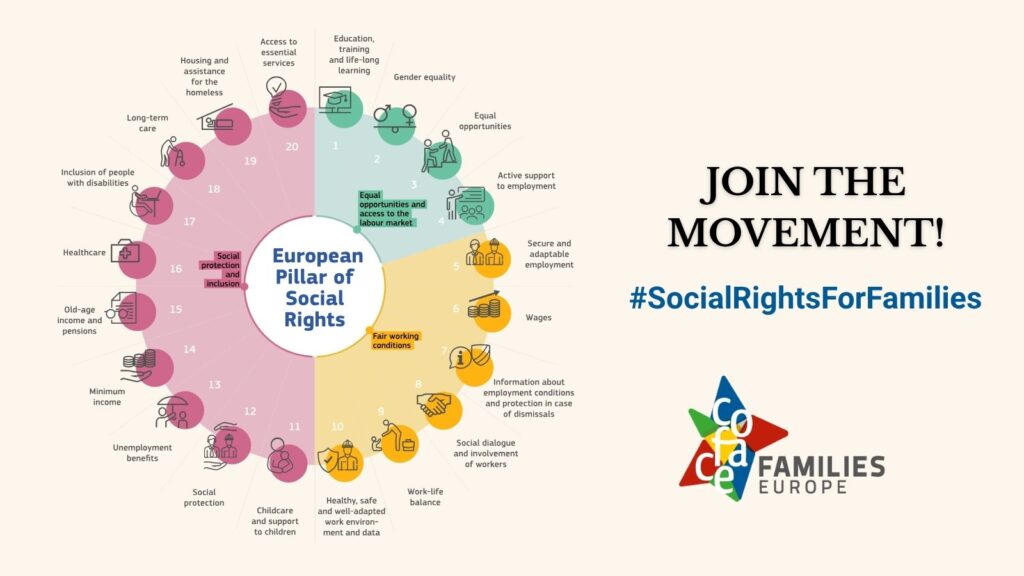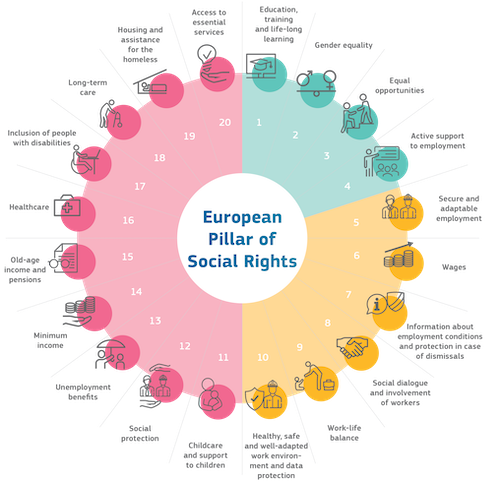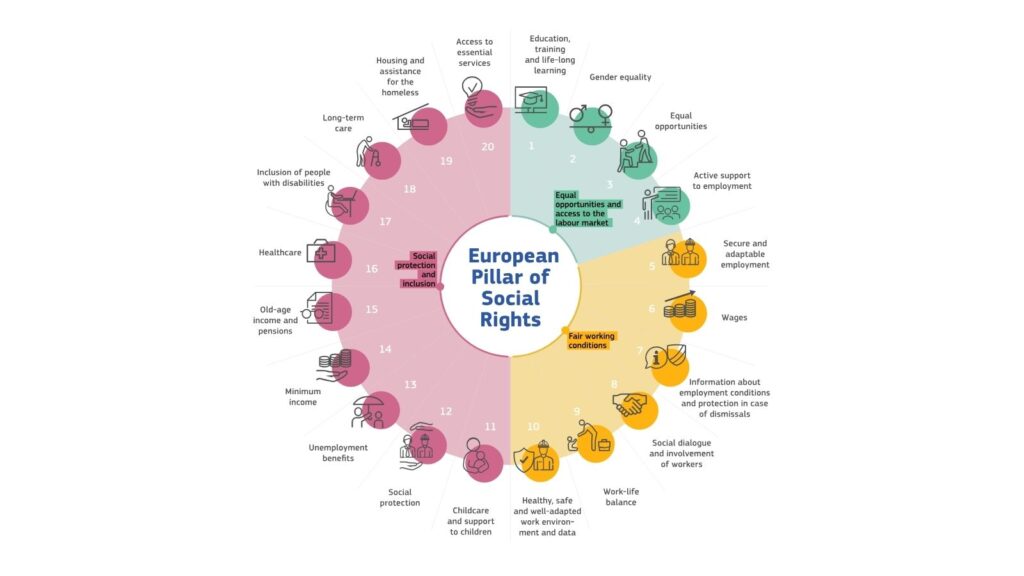

COFACE response to the EU public consultation on the action plan for the European Pillar of Social Rights
See full position here.
Key ingredients
1.Two-generation approach to policy-making;
2.Automatic social rights for families in vulnerable situations;
3.Use real-time evidence provided by civil society;
4.Monitoring, reporting and impact measurement;
5.Concrete and priority actions to trigger real change;
6.COVID-proofing and ensuring recovery policies fully respect social rights;
7.Upscale NGO-driven good practices through European networks;
8.Developing and consolidating EU legal frameworks with a social impact;
9.Education and awareness-raising for community building;
10.Think beyond social and employment policy.
Overarching messages
We have knowledge, now we need to use it and upscale it to ensure social rights are fully implemented equally across the EU.
Our New Deal for Families of Today (2019) and recommendations to address the COVID-19 impact on families (2020) contain the general direction needed to support families of today.
COFACE has developed a series of policy, service and campaign tools over the last years, and is in a position to boost implementation of the European Pillar of Social Rights (EPSR) working closely with EU and national authorities.